




01 Nov Diabetes and Your Foot Health
Each year, World Diabetes Day is celebrated on 14 November to raise awareness about diabetes and its impact on our health. This year’s theme is ‘Diabetes and Well-being’ to remind you to look after both your physical and mental health. Our podiatrists at footinjuryclinic include one area many people overlook: their feet.
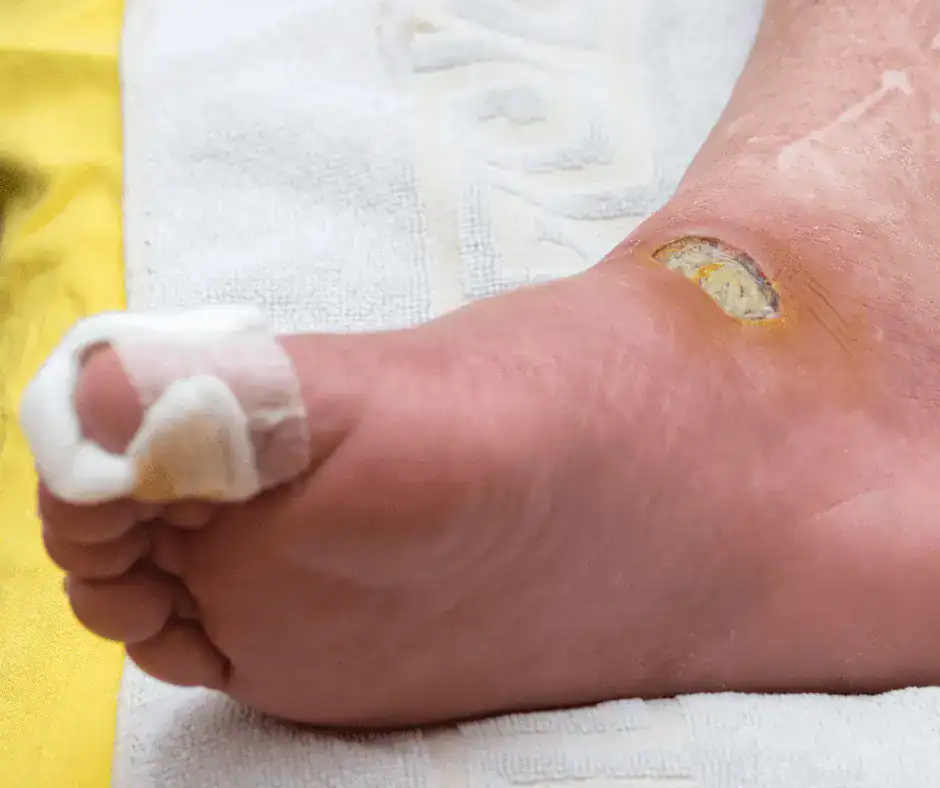
According to Diabetes Australia, more than 1.5 million Australians are living with diabetes. While much attention is placed on blood sugar management, foot care is an equally vital part of maintaining long-term health and wellbeing. That’s because diabetes can affect the nerves and blood vessels in your feet, leading to serious complications like diabetic foot ulcers and even amputations.
Understanding Diabetic Foot Ulcers
Diabetes is a chronic condition where the body either doesn’t produce enough insulin or can’t use it effectively, resulting in high blood sugar levels. Over time, these elevated levels can damage nerves (a condition called neuropathy) and reduce blood flow to the lower limbs.
This combination makes it harder to feel injuries, and harder for wounds to heal. Even a small cut or blister can develop into an ulcer, most often found under the big toe or heel. Left untreated, these ulcers can become infected; in some cases, it may lead to amputation. But many of these cases are preventable with professional care by our podiatrists and your doctor, and proper daily foot management by you.
Early Signs to Watch Out For
Here are some warning signs to keep an eye on. If you notice any of them, book an appointment with your GP and our podiatrists right away.
- Persistent swelling: Unexplained swelling in your feet or ankles.
- Changes in skin colour: Redness, discolouration, or a bluish tint.
- Wounds that don’t heal: Cuts or sores that linger for weeks.
- Numbness or tingling: A sign of nerve damage or reduced sensation.
- Foul odour: A persistent smell could indicate infection.
How Our Podiatrists Can Help
Our podiatrists are trained to detect, treat and manage diabetic foot complications before they become serious. We perform comprehensive foot assessments, checking your circulation, nerve sensitivity, skin condition and footwear. Our podiatrists ask all diabetic patients to visit our clinics at least twice yearly for a thorough foot check-up.
If you already have a foot ulcer, treatment may involve:
- Wound cleaning and debridement (removal of dead skin) to promote healing.
- Off-loading techniques, such as special footwear or custom orthotics, to take pressure off the ulcer and allow it to heal.
- Dressing changes and infection control measures.
- Ongoing monitoring and education to help you maintain healthy feet long term.
Prevention is Better than Cure
Here are our podiatrists’ top recommendations for preventing diabetic foot ulcers:
Daily Foot Checks: Inspect your feet every day for blisters, cuts, redness, or swelling. Use a mirror or ask a family member for help if needed.
Keep Feet Clean and Dry: Wash your feet daily with warm (not hot) water and mild soap, then dry them carefully – especially between the toes – to prevent fungal infections.
Moisturise Wisely: Apply a gentle moisturiser to keep your skin soft and prevent cracking, but avoid applying it between your toes.
Wear Proper Footwear: Choose comfortable, well-fitting shoes that don’t rub or pinch. Special diabetic shoes or insoles can help distribute pressure evenly and reduce friction.
Manage Your Blood Glucose: Stable blood sugar levels reduce the risk of nerve damage and promote better healing.
Stay Active: Low-impact activities such as walking or swimming help boost circulation and overall wellbeing.
Don’t Smoke: Smoking restricts blood flow and significantly increases the risk of ulcers and delayed healing.
Get Regular Foot Check-ups: Visit our podiatrists at least twice a year – or more often if you notice any issues. Early detection can prevent foot ulcers and protect your mobility.
Take the First Step Towards Healthy Feet
This World Diabetes Day, take some time to check your feet. Diabetic foot ulcers are preventable with the right care, awareness, and support. By maintaining good blood sugar control, practising daily foot care, and scheduling regular check-ups with your podiatrist, you can keep your feet healthy and stay on the move. Contact our clinics today for a thorough foot health check-up.